Understanding Stress and Burnout: What Your Body Is Trying to Tell You
Stress has become so normalised in modern life that we've stopped questioning it. Long hours, packed schedules, constant notifications, the pressure to be productive - we wear our busyness like a badge of honour.
But underneath the surface, something else is happening. Your body is keeping score.
Stress isn't just a mental state. It's a full-body experience with measurable physiological consequences. And when stress becomes chronic - when your nervous system never gets a chance to reset - it doesn't just make you tired. It fundamentally changes how your body operates.
This is burnout. And it's not something you can push through.
What Actually Happens When You're Stressed
When you perceive a threat - whether it's a looming deadline, a difficult conversation or an overflowing inbox - your sympathetic nervous system activates. This is your fight-or-flight response, designed to keep you safe in moments of danger.
Here's what happens in your body:
Your adrenal glands release cortisol and adrenaline
Your heart rate increases
Your breathing becomes shallow and rapid
Blood flow redirects away from digestion and toward your muscles
Your immune system temporarily suppresses
Your body prioritises immediate survival over long-term health
This response is incredibly useful when you're facing actual danger. The problem is, your nervous system can't tell the difference between a physical threat and a psychological one. A stressful email triggers the same physiological response as being chased by a predator.
And in modern life, the threats never stop coming.
From Stress to Burnout: The Point of No Return
Acute stress is normal. Your body is designed to handle short bursts of activation followed by recovery. The issue arises when stress becomes chronic - when your nervous system is stuck in sympathetic overdrive with no opportunity to reset.
This is when stress transforms into burnout.
Burnout isn't just extreme tiredness. It's a state of physical, emotional and mental exhaustion caused by prolonged exposure to stress. The World Health Organization officially recognises it as an occupational phenomenon characterised by:
Energy depletion or exhaustion - You're running on empty, no matter how much you sleep
Increased mental distance or cynicism - You feel detached, numb or resentful toward your work
Reduced professional efficacy - You can't focus, you're making mistakes, nothing feels manageable
But the signs often show up in your body long before you consciously recognise burnout:
Chronic fatigue that sleep doesn't fix
Frequent illness as your immune system weakens
Digestive issues, headaches, muscle tension
Difficulty sleeping or staying asleep
Brain fog, forgetfulness, inability to concentrate
Emotional reactivity, irritability, feeling overwhelmed by small things
Loss of motivation or pleasure in things you used to enjoy
These aren't character flaws or signs of weakness. They're your nervous system waving red flags.
Why We Get Stuck
Here's the paradox: the behaviours that lead to burnout are often the same ones we use to try to cope with stress.
You're exhausted, so you drink more coffee. You're overwhelmed, so you work longer hours to "catch up." You're disconnected from your body, so you push harder at the gym. You can't sleep, so you scroll on your phone late into the night.
These aren't solutions. They're survival strategies that keep you stuck in sympathetic activation.
The real issue isn't that you're not trying hard enough. It's that your nervous system hasn't learned how to shift from activation back to regulation. You're operating in fight-or-flight mode 24/7, and your body is breaking down under the load.
What Your Body Actually Needs
Recovery from burnout isn't about willpower or productivity hacks. It's about nervous system regulation - training your body to access parasympathetic states (rest-and-digest) instead of being trapped in sympathetic overdrive.
This means:
Learning to downregulate: Most people struggling with burnout can't just "relax." Their nervous system is so activated that meditation feels impossible, yin yoga feels agitating, and rest feels like failure. You need practices that meet you where you are - acknowledging your activation before guiding you into regulation.
Building capacity for both states: True resilience isn't about staying calm all the time. It's about training your nervous system to move between activation and rest fluidly. You need the ability to energise when required and recover when it's over.
Recognising early warning signs: Burnout doesn't happen overnight. Your body gives you signals long before you hit the wall - tension, fatigue, emotional reactivity, disrupted sleep. Learning to notice and respond to these cues is preventative care.
Creating sustainable coping strategies: Coffee, sugar, pushing through, numbing out - these are maladaptive coping mechanisms that keep you dysregulated. Real recovery requires healthy tools: breathwork, movement, nervous system regulation practices, rest that actually restores.
The Role of Movement and Regulation
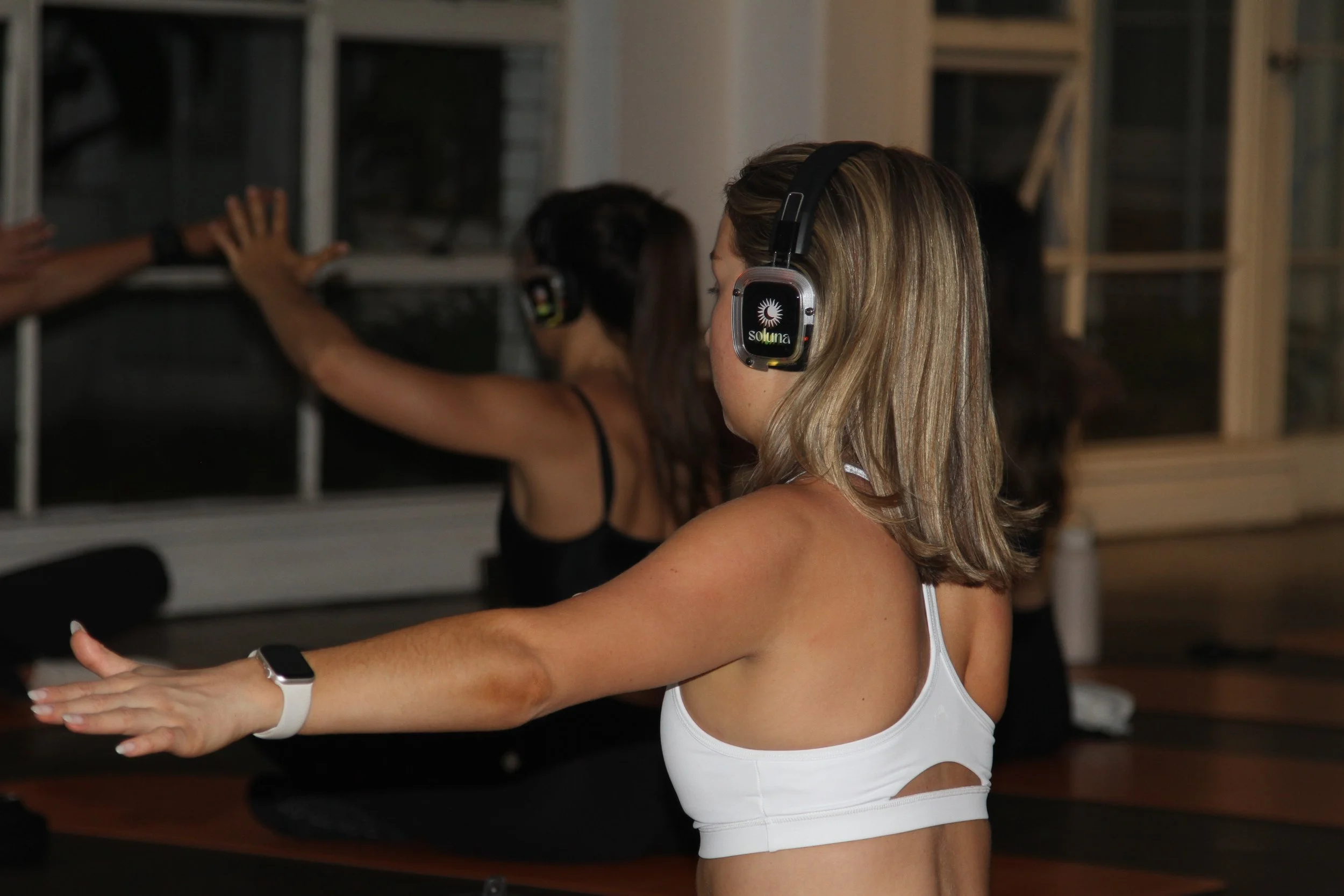
One of the most effective ways to shift your nervous system is through intentional movement paired with regulation techniques.
Movement helps discharge the stress hormones circulating in your body. When you're stuck in fight-or-flight, your body is primed for action - but most modern stress doesn't allow for a physical release. Intentional movement gives your nervous system permission to complete the stress cycle.
But not all movement serves the same purpose. High-intensity workouts can be helpful for discharging energy, but if you're already burnt out, they might further deplete you. Restorative practices like yin yoga can be calming, but if you arrive already dysregulated, you might struggle to access that calm state.
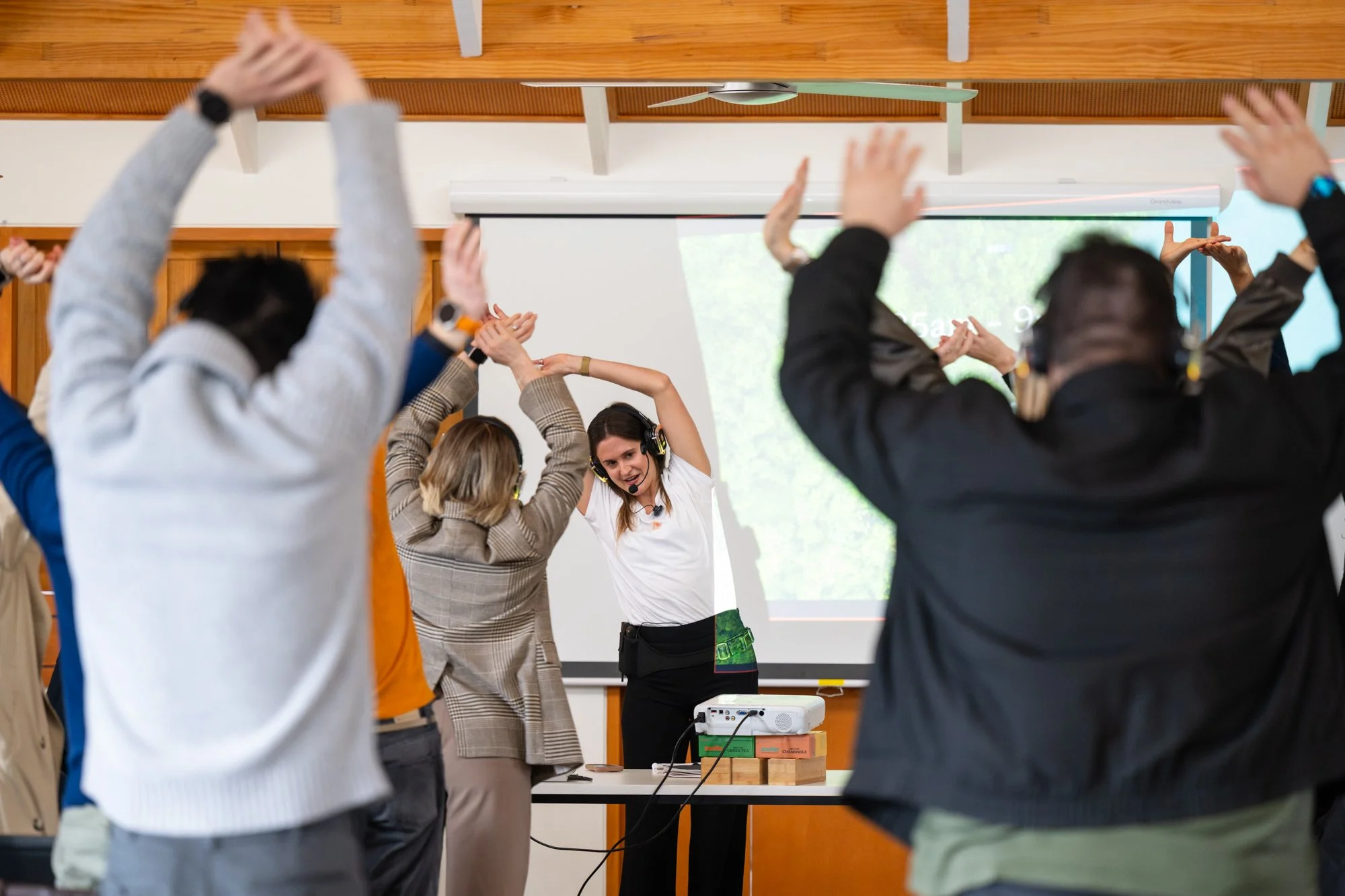
This is why integration matters. Practices that combine dynamic movement (to meet your activation) with restorative practices (to guide you into regulation) create the bridge your nervous system needs.
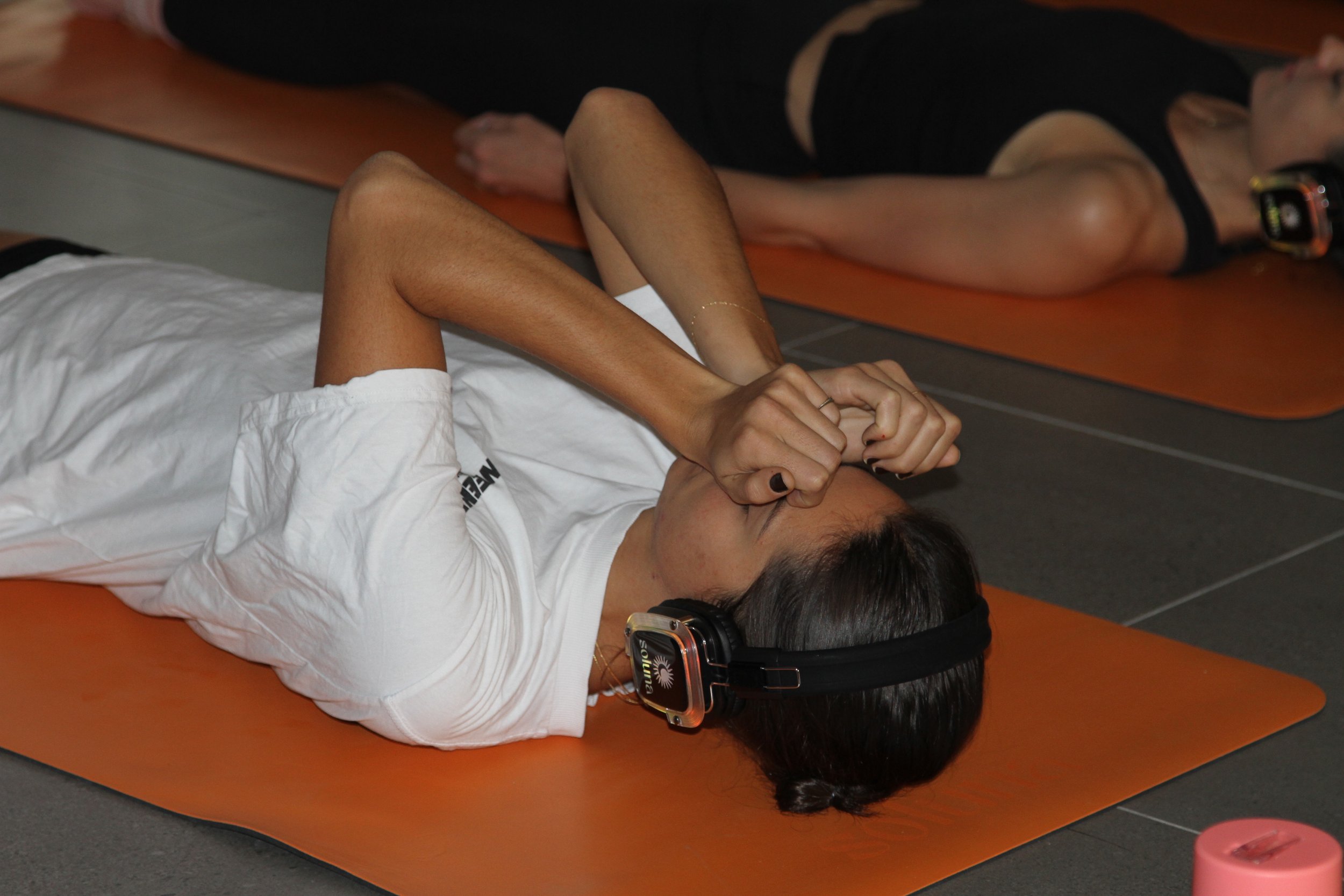
Paired with techniques like breathwork, EFT tapping, somatic awareness and intentional sound, movement becomes a tool for nervous system training - not just physical fitness.
You Can't Think Your Way Out of Burnout
Burnout is not a mental problem, it's a physiological one.
You can't logic your way out of nervous system dysregulation. You can understand the neuroscience, recognise the signs, know intellectually what you need - and still feel stuck. That's because burnout lives in your body, not your mind.
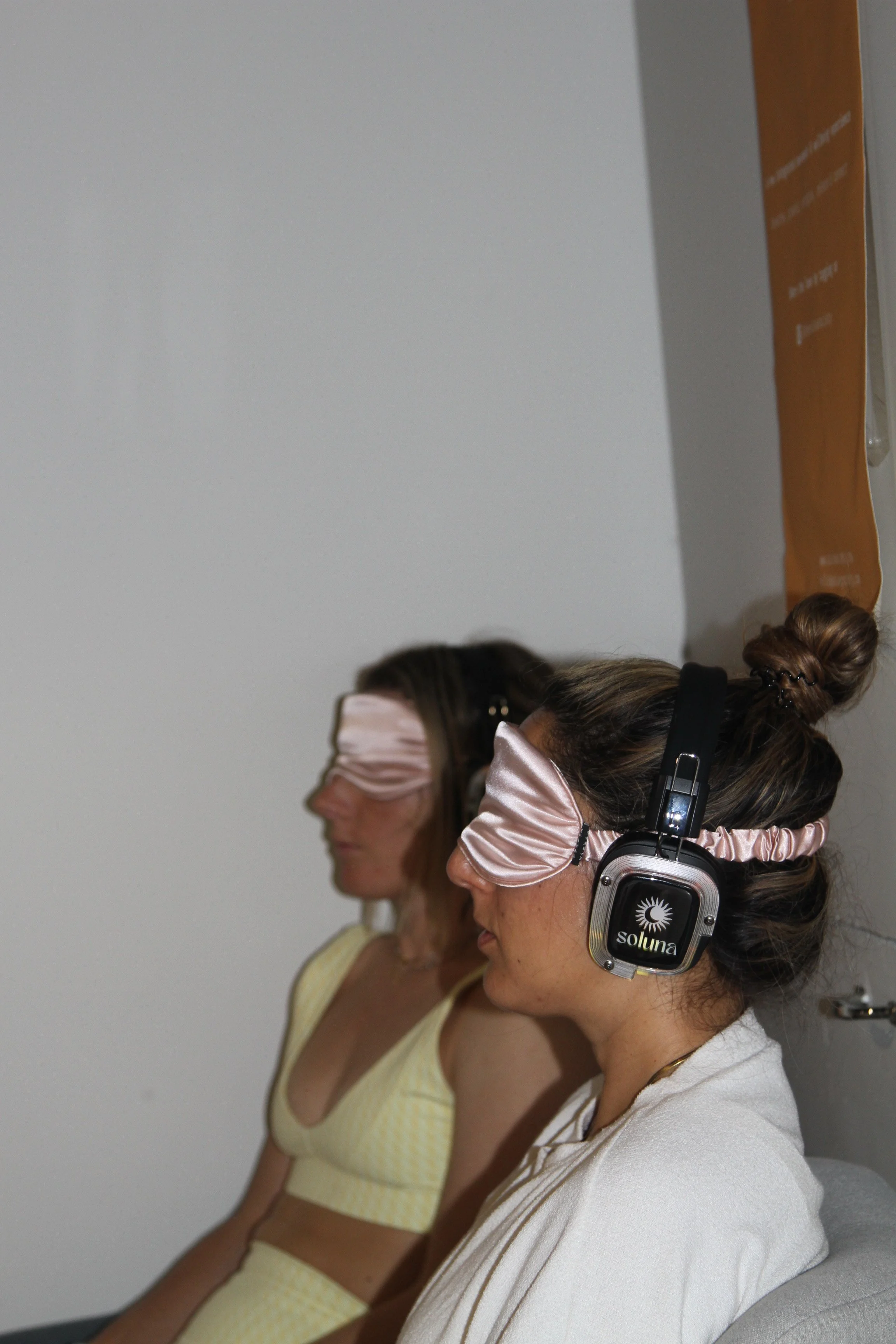
Recovery requires embodied practices - things that directly influence your nervous system. Breathwork that shifts your heart rate variability. Movement that discharges stress hormones. Sound that entrains your brainwaves into calmer states. Somatic techniques that help you feel safe in your body again.
This is the work. Not hustling harder. Not optimising your productivity. Not pushing through. But actually learning how to regulate.
Moving Forward
If you're reading this and recognising yourself, know this: burnout is not a personal failing. It's a nervous system response to chronic stress, and it's reversible.
Recovery doesn't mean you'll never feel stressed again. It means you'll develop the capacity to move between stress and rest, activation and regulation, intensity and recovery. It means you'll learn to notice the early signs before you hit the wall. It means you'll build a toolkit of practices that actually support your nervous system instead of depleting it further.
And it starts with one simple shift: meeting yourself where you are, rather than forcing yourself to be somewhere else.
Need Support?
If you're experiencing burnout or stress, you are not alone. Soluna offers practical tools to support nervous system regulation:
Explore Soluna Studio - our online library features guided breathwork, EFT tapping, somatic practices and movement sequences designed to help you move from stress to calm, overwhelm to clarity, dysregulation to balance. New content drops every month at solunasociety.com.
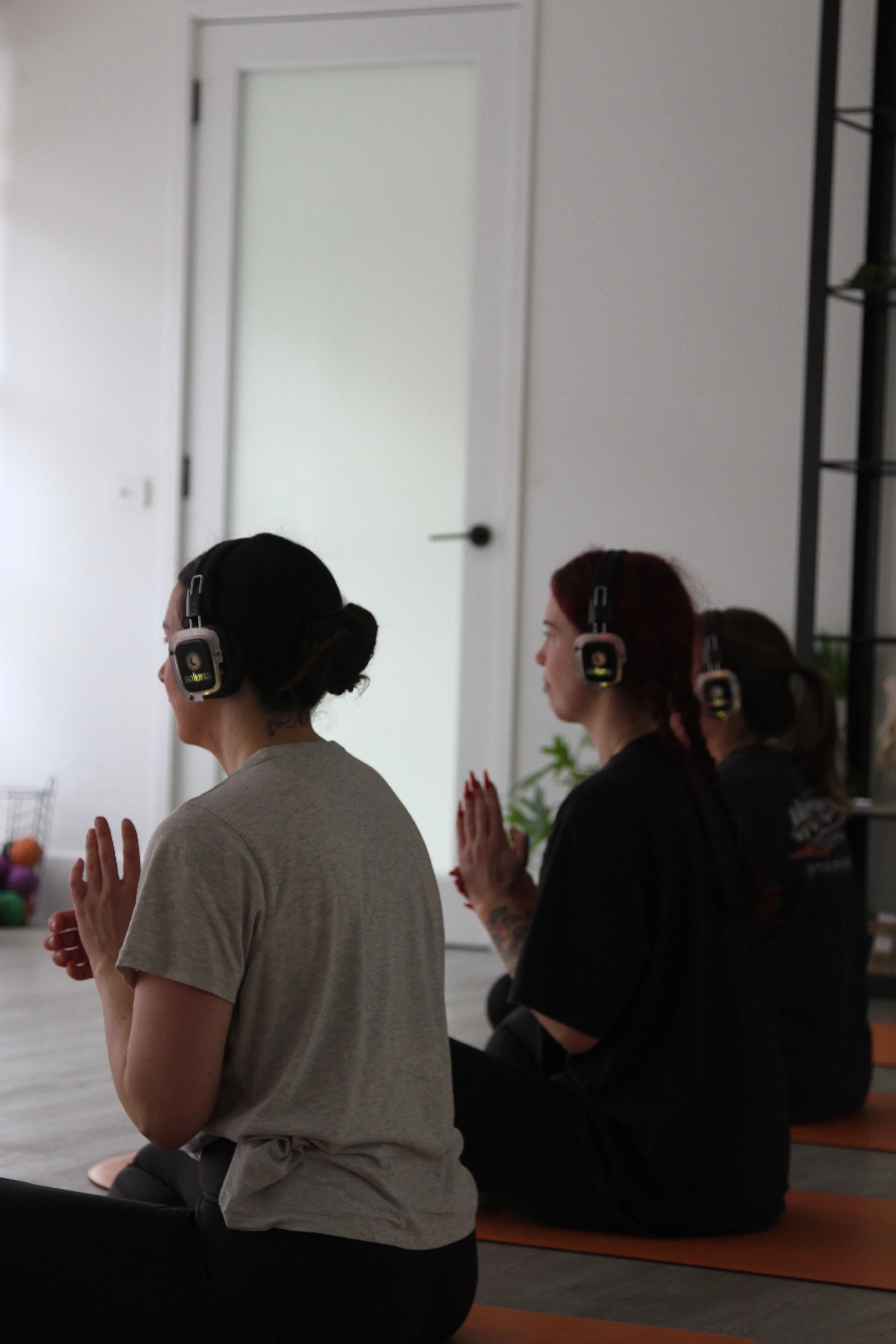
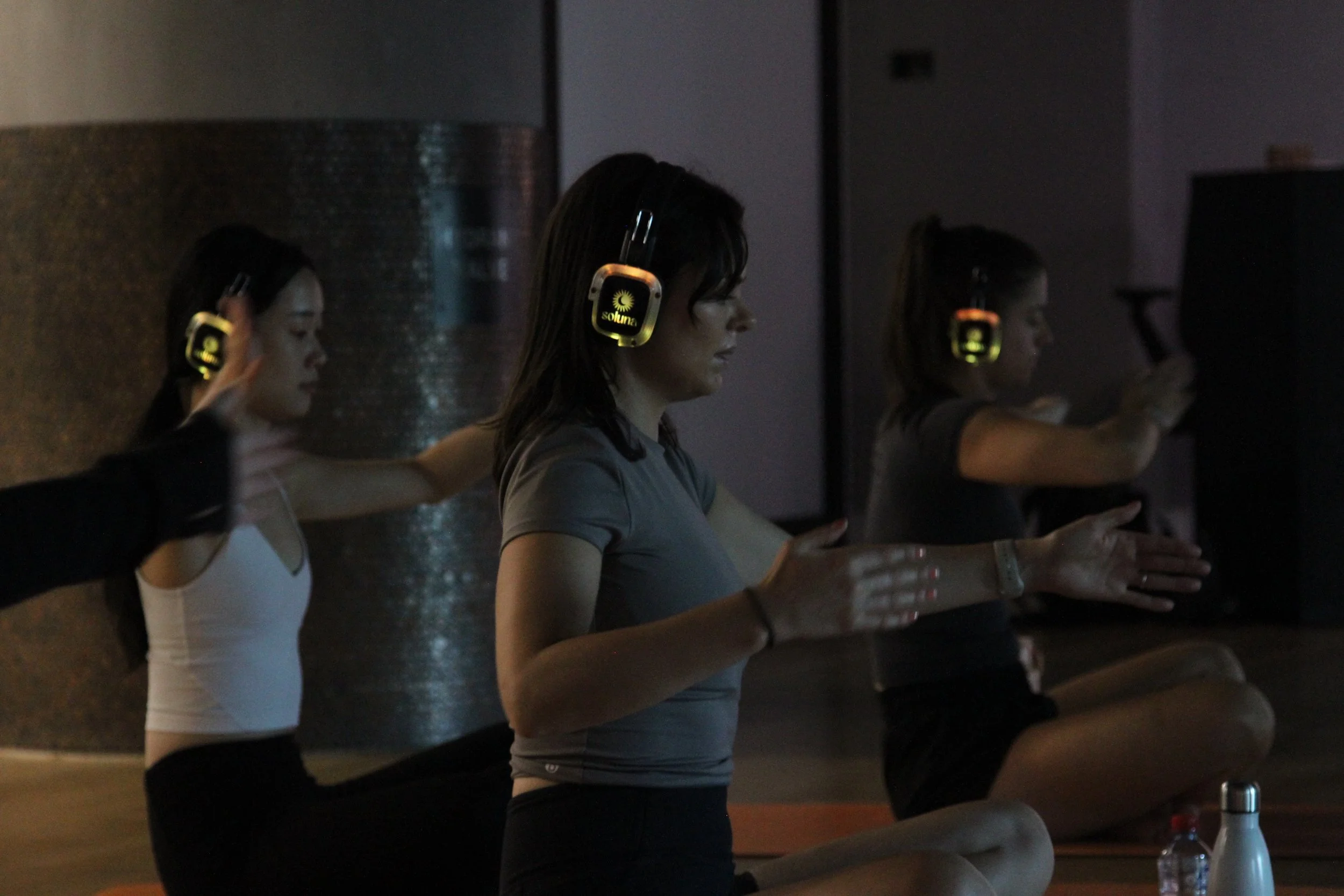
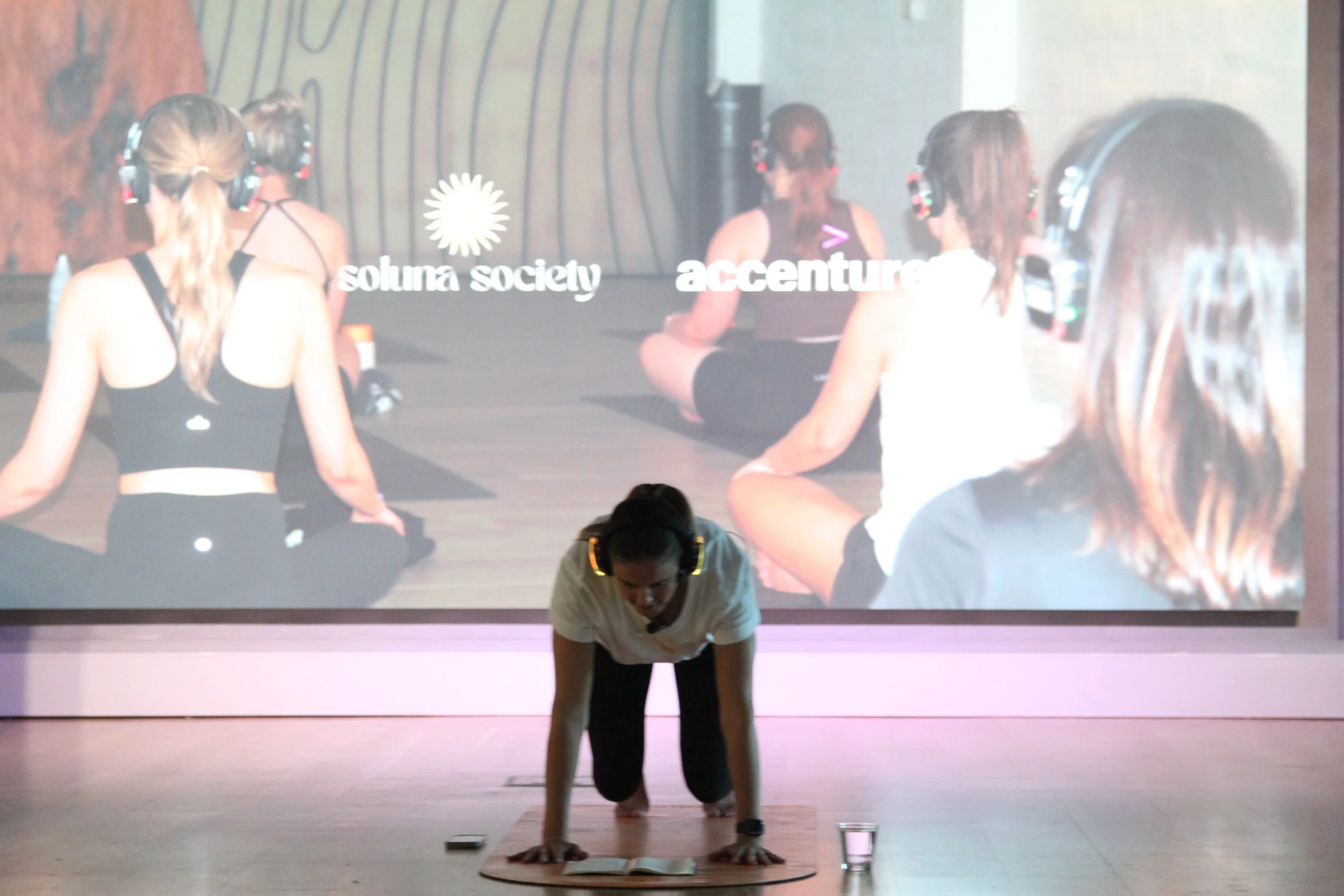
Join us in person - every Tuesday at 6:15pm at Green Monday Studio, we explore different aspects of stress, burnout and nervous system regulation through our sound-led, five-element method. Each month focuses on a new theme, giving you the tools to train your nervous system to shift.