The Science of Sound: How it Influences Your Nervous System
Sound is everywhere. From the moment we wake to a jarring alarm to the rhythmic hum of traffic on our commute, we're surrounded by auditory input that shapes how we feel, often without us realising it.
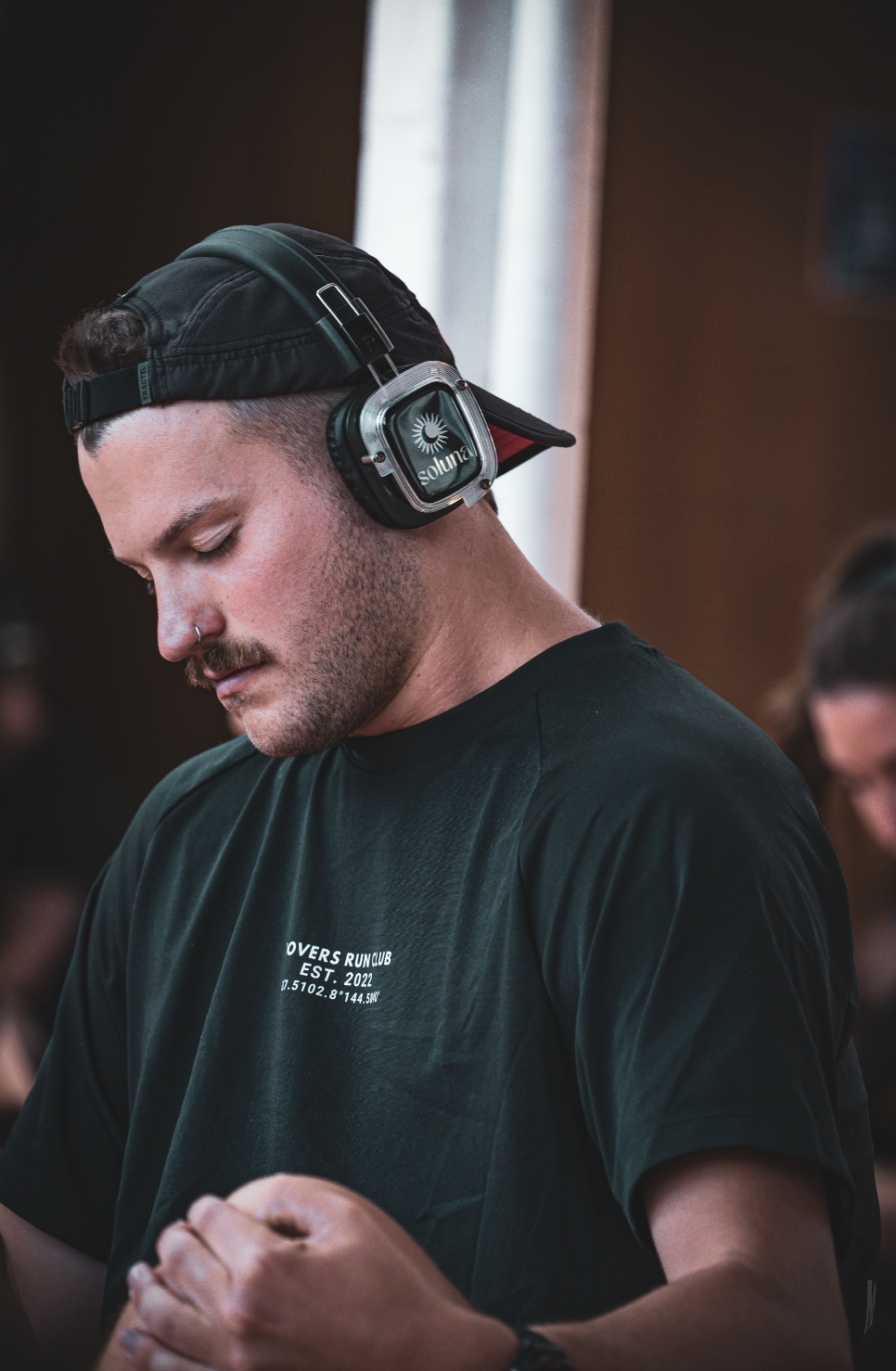
At Soluna Society, sound isn't just background noise - it's a carefully crafted tool for nervous system regulation delivered through our immersive, high-tech headphones. But how does sound actually influence our physiology? And why do certain frequencies calm us while others activate stress responses?
The Nervous System's Response to Sound
Our nervous system operates in two primary states: sympathetic (fight-or-flight) and parasympathetic (rest-and-digest). Sound is one of the most direct pathways to influence which state we're in.
When we hear a loud crash, a car horn or a piercing alarm, our bodies instinctively respond. The amygdala - the brain's threat detection centre - activates, triggering the release of stress hormones like adrenaline and cortisol. Our heart rate spikes, our breathing quickens and our muscles tense. This is sympathetic activation - designed to keep us safe in moments of danger.
But the reverse is also true. Soothing sounds, gentle frequencies and calming rhythms can actively lower cortisol levels, slow heart rate and signal safety to the nervous system. This isn't just subjective comfort - it's measurable physiology.
Entrainment: How Sound Synchronises Brain Waves
One of the most powerful mechanisms behind sound's influence is a process called entrainment. This is where the brain synchronises its electrical activity to the frequency of external audio.
Our brains produce different types of electrical waves depending on what we're doing:
Beta waves (12-30 Hz): Alert, concentrating, thinking. Most of us spend our waking hours here.
Alpha waves (8-12 Hz): Meditation, creativity, relaxation. The calm-but-awake state.
Theta waves (4-8 Hz): Visualisation, trance, dreaming. Deep inner focus.
Delta waves (0.5-4 Hz): Deep sleep, restoration, healing.
Gamma waves (30-100 Hz): Peak concentration, information processing, deep meditation and mindfulness.
When we're exposed to specific sound frequencies - whether through music, binaural beats or carefully curated soundscapes - our brainwaves begin to mirror those frequencies. This process of resonance between acoustic vibrations and neural oscillations is how sound directly influences our mental and emotional state.
The Power of Binaural Beats
Binaural beats are one of the most researched applications of auditory entrainment. When two slightly different frequencies are played in each ear (for example, 200 Hz in the left ear and 210 Hz in the right), the brain perceives a third "phantom" frequency - in this case, 10 Hz, which corresponds to alpha brainwaves.
Research shows that binaural beats can:
Reduce anxiety and stress
Improve focus and concentration
Enhance relaxation and meditation depth
Support better sleep quality
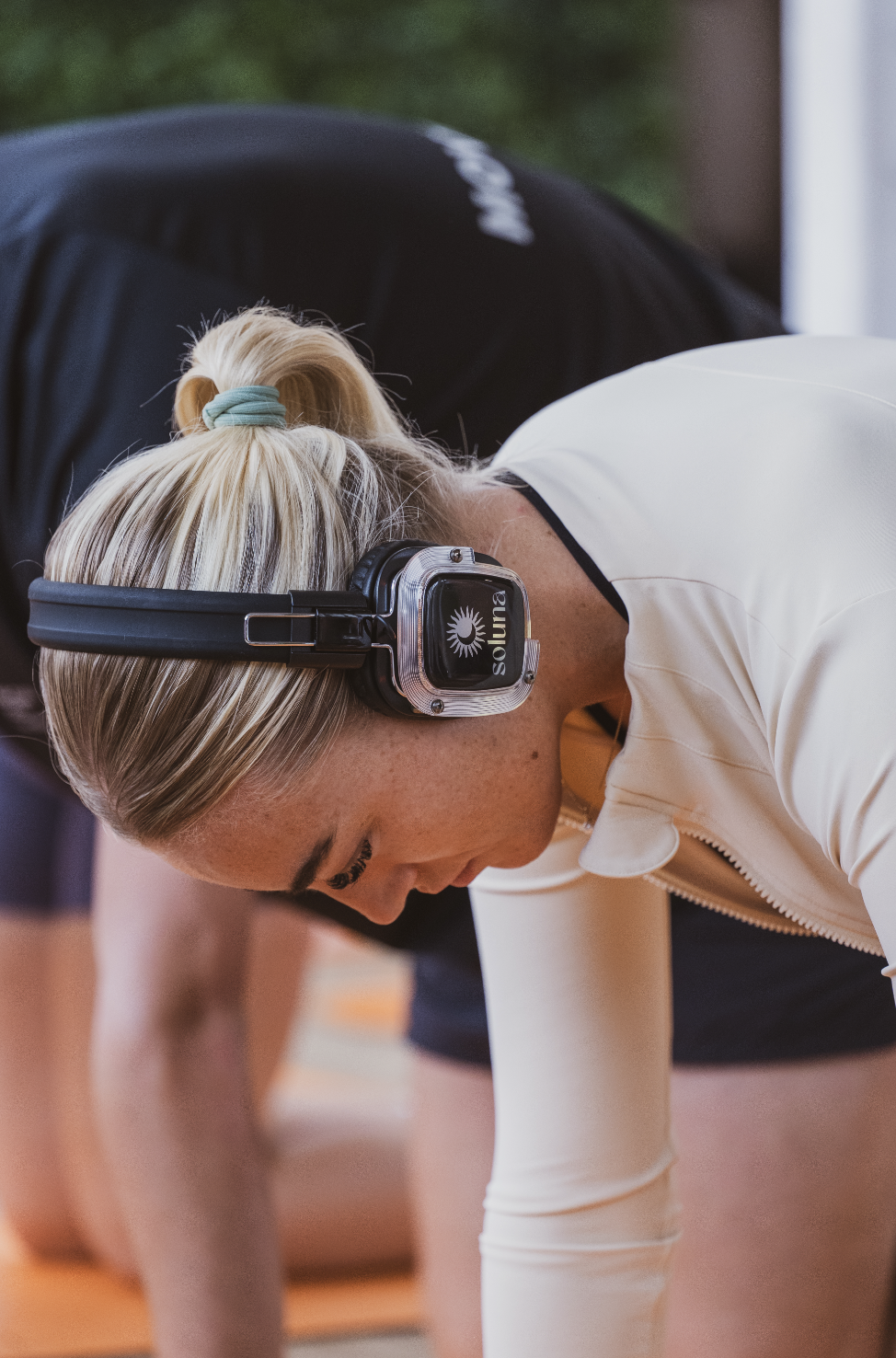
This is why the Soluna headphones are essential for delivering precise auditory experiences. Standard speakers can't create the stereo separation needed for binaural beats to work.
Frequency, Rhythm and the Body
Beyond brainwave entrainment, sound influences the body in other measurable ways:
Heart Rate Variability (HRV): Slow, rhythmic sounds can increase HRV - a marker of nervous system flexibility and resilience. Higher HRV is associated with better stress regulation and overall health.
Cortisol Reduction: Studies show that listening to calming music or nature sounds can lower cortisol levels in just 30 minutes.
Breath Regulation: Our breathing naturally synchronises with rhythmic sound. Slow, steady beats can guide the breath into deeper, more regulated patterns, activating the parasympathetic nervous system.
Why Headphones Matter
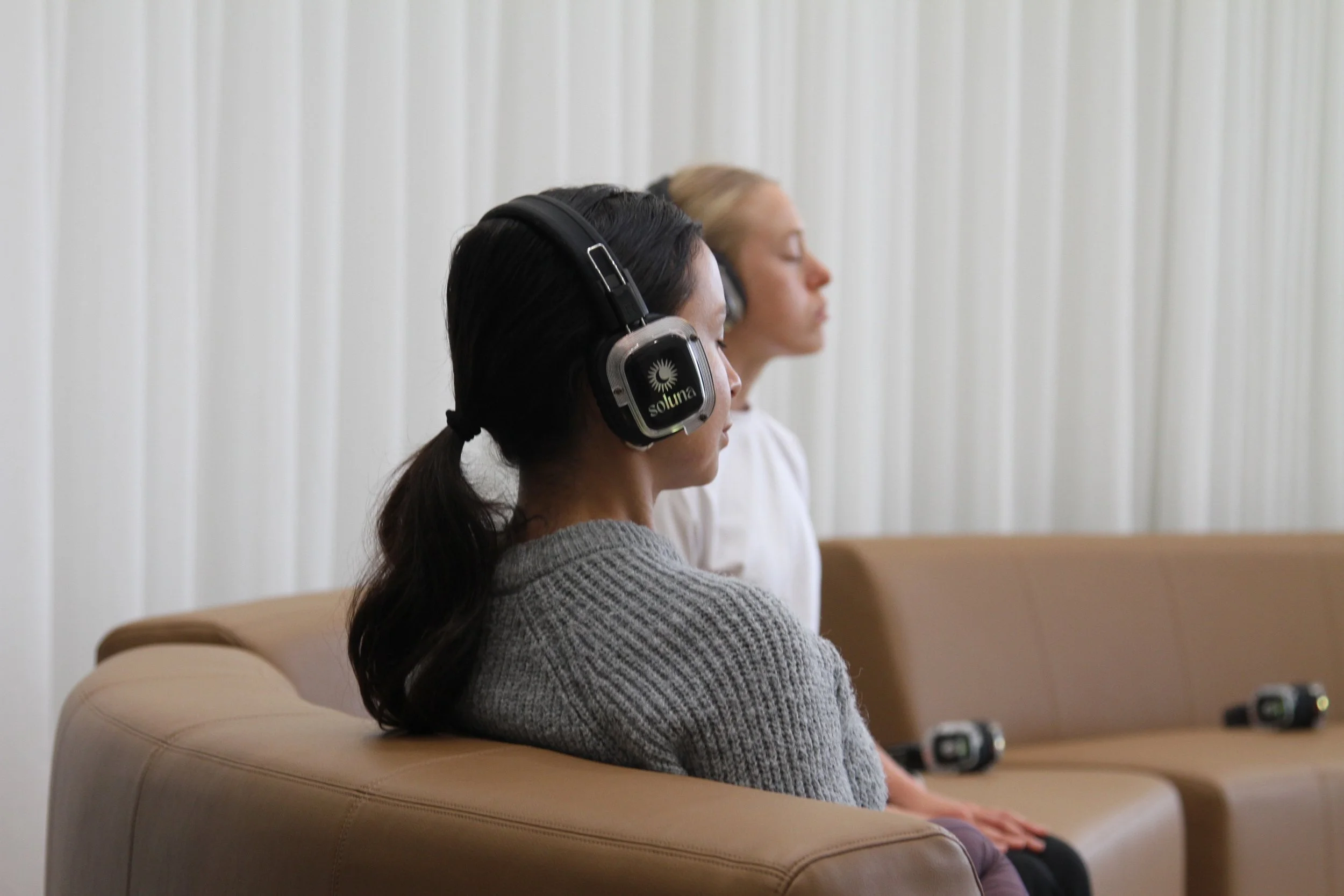
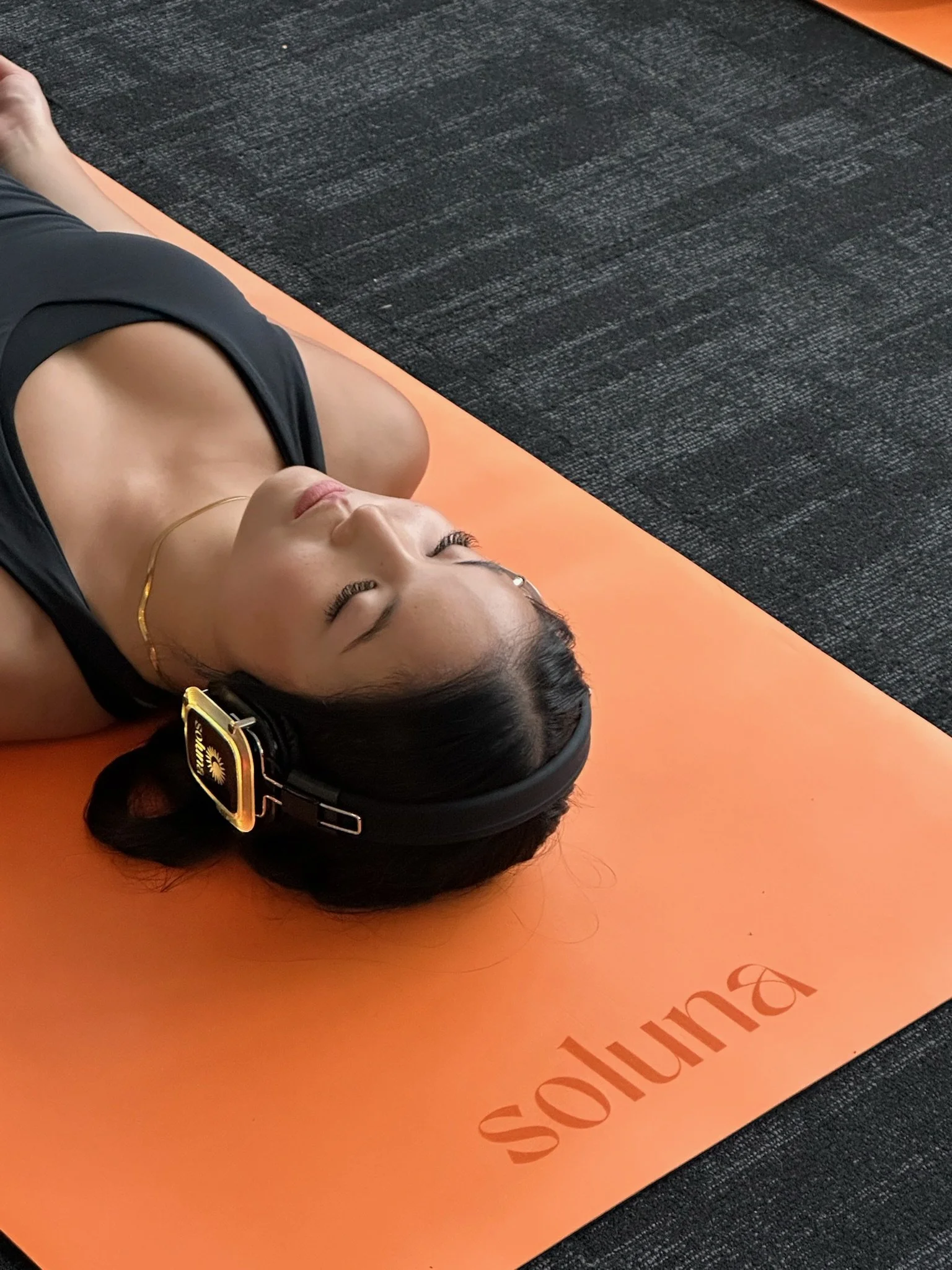
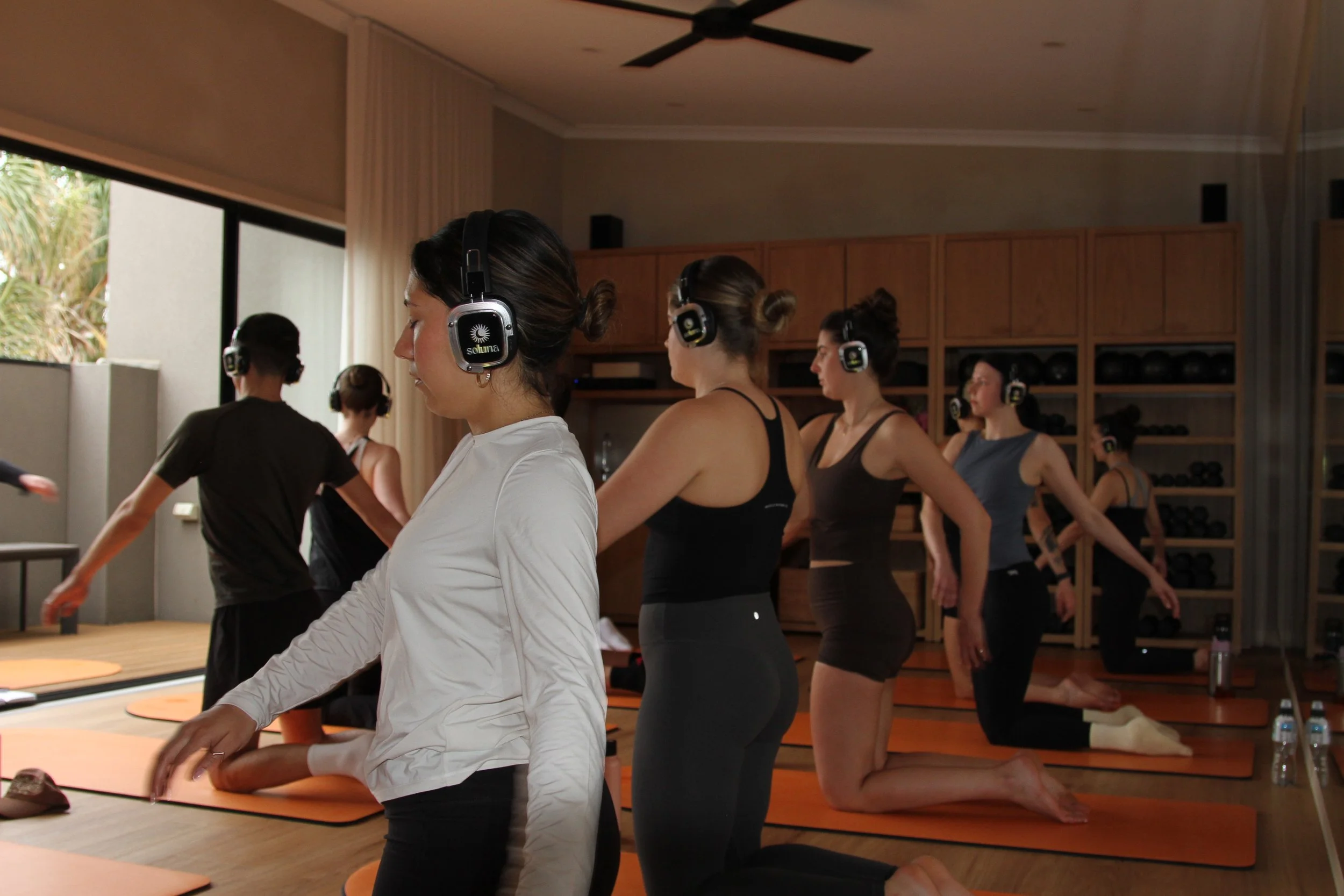
At Soluna, we use wireless headphones for a reason. They allow us to:
Create stereo precision for binaural beats and multi-dimensional soundscapes
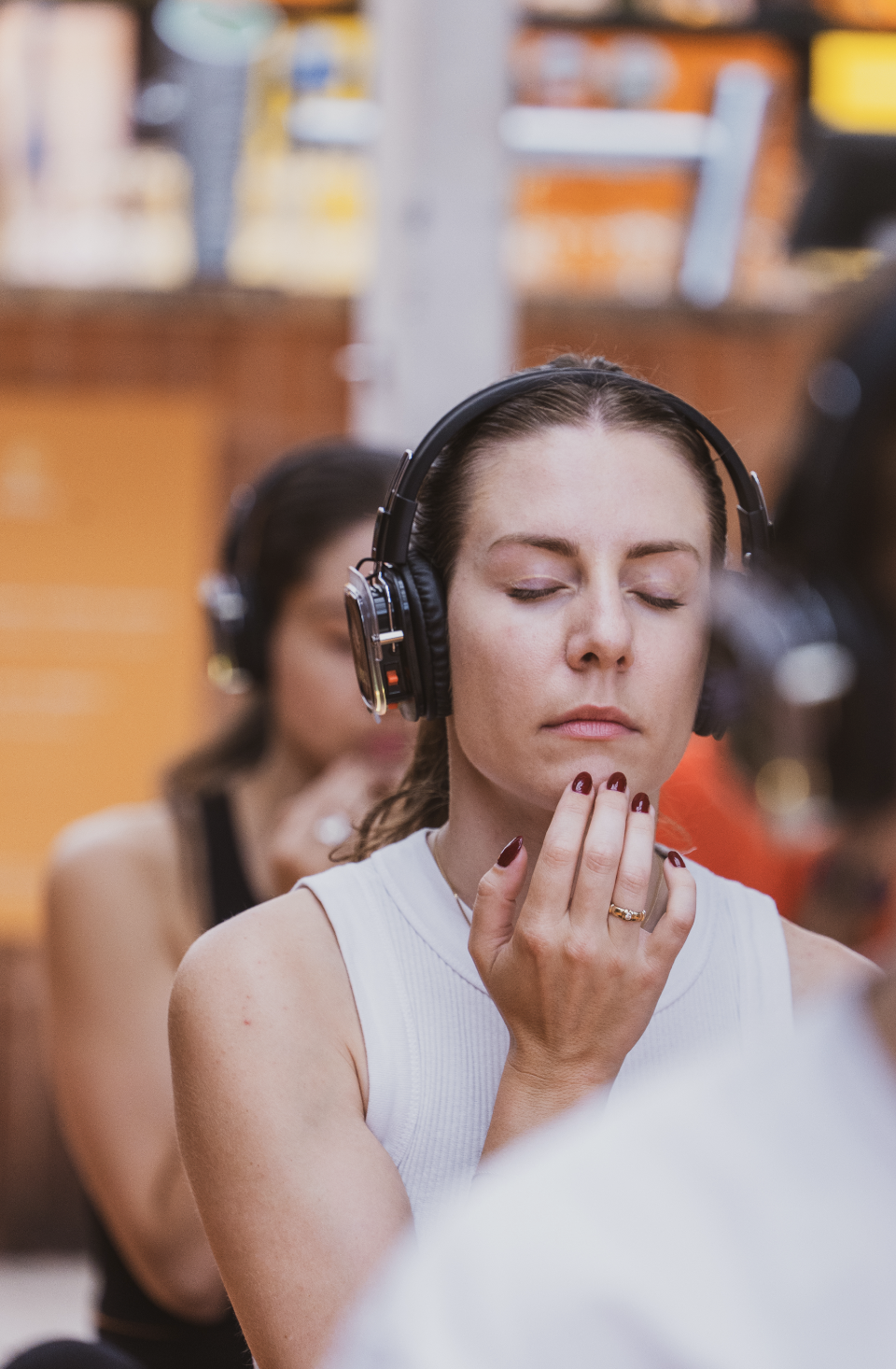
Remove external distractions so guests can tune inward
Layer multiple frequencies that work together to guide nervous system shifts
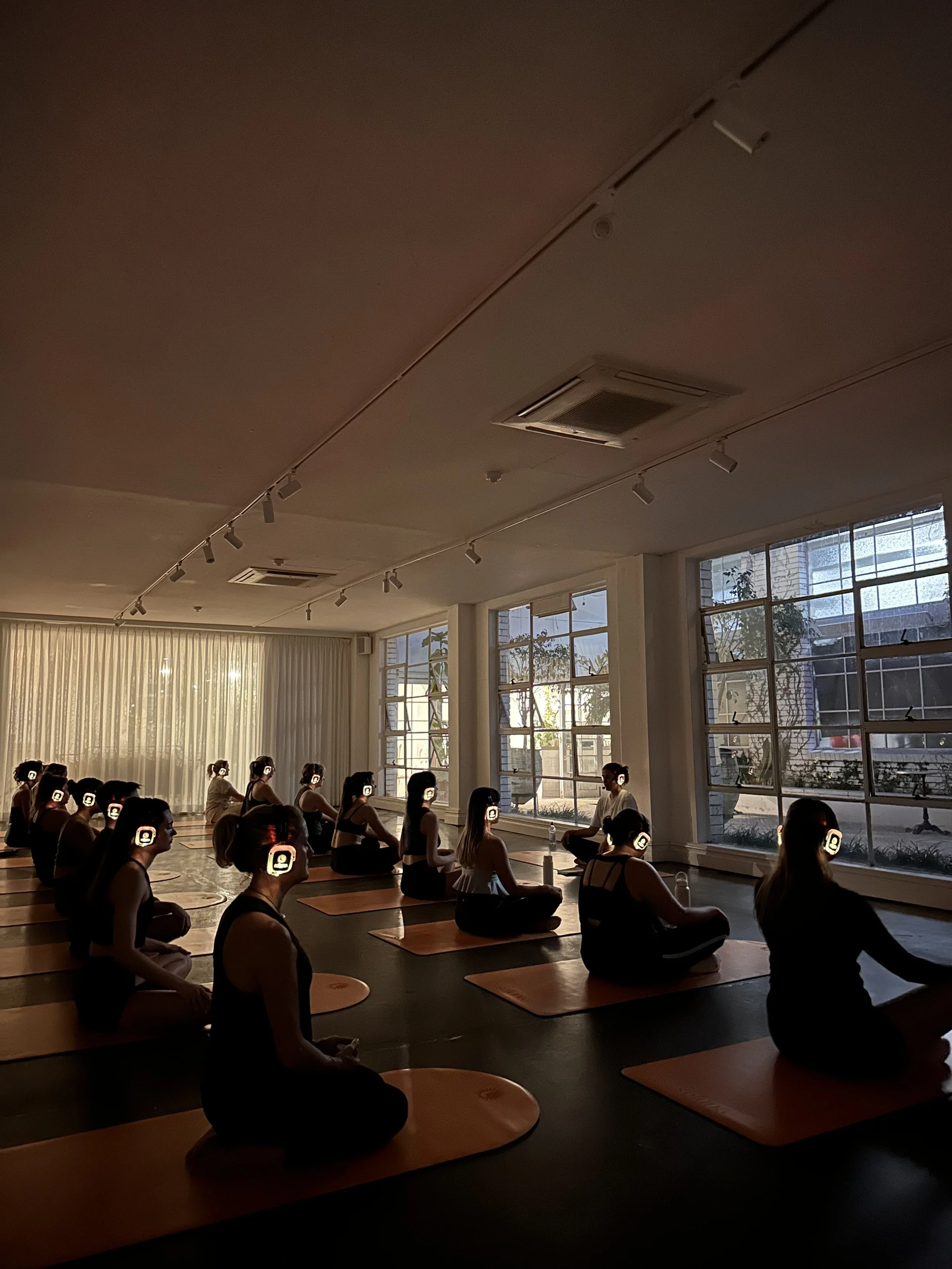
Deliver a personal experience even in a group setting
While you're moving in a room with others, you're completely in your own sonic world. This level of immersion isn't replicable through standard speakers.
Sound as a Bridge Between States
One of the most unique aspects of sound is its ability to meet you where you are and guide you somewhere else.
If you arrive at a class dysregulated, activated and stuck in sympathetic overdrive, sound can match that energy before gradually shifting it. We might start with rhythmic, driving beats during our fire chapter (energise), then transition to fluid, undulating tones in our water chapter (release), and finally settle into deep, resonant frequencies for our spirit chapter (connect).
This progressive journey mirrors how the nervous system actually shifts. You can't force someone from fight-or-flight into deep relaxation. You need the bridge - and sound provides that.
The Soluna Approach
At Soluna, our playlists are intentionally designed to guide nervous system regulation through our five-element method:
Air (Opening): Expansive soundscapes and breath-focused frequencies to create space and presence
Earth (Grounding): Steady, grounding rhythms and lower Hz frequencies to anchor the body
Fire (Energising): Driving beats and higher frequencies to meet and validate activated energy
Water (Releasing): Fluid, repetitive sounds and theta-inducing frequencies to support emotional release
Spirit (Connecting): Resonant tones, binaural beats and delta frequencies for deep regulation
Each chapter is designed not just to accompany movement, but to actively shift your nervous system state.
Sound in Daily Life
You don't need a Soluna class to start using sound intentionally. Here are some ways to bring auditory regulation into your life:
Choose your alarm wisely: Start your day with a gentle, gradual sound rather than a jarring beep
Use nature sounds: Running water, birdsong and rain can lower cortisol and increase calm
Try binaural beats: Use headphones and search for alpha or theta frequencies during focused work or meditation
Notice your sonic environment: Are you constantly surrounded by stress-inducing sounds? Create pockets of quiet or calming audio
End the day with sound: Listen to calming music or guided meditations before bed to signal to your nervous system that it's time to rest
The Future of Sound and Wellbeing
As our understanding of neuroscience deepens, so does our appreciation for sound as a therapeutic tool. From binaural beats to sound baths to frequency-based therapies, we're only beginning to unlock the potential of auditory regulation.
At Soluna, we're combining this ancient wisdom - sound has been used in healing practices for thousands of years - with modern technology to create something truly transformative. It's not just about relaxation. It's about training your nervous system to shift, to access different states when you need them, and to move through life with more balance.
Sound is powerful because it's passive. You don't have to try. You just have to listen.